

EN

Walking apps have come a long way from simple pedometers. Today's top apps that pay you to walk motivate users with slogans like "it pays to walk" and "turn your steps into rewards" – but if the whole model is built around rewarding users, how do these apps stay profitable?
Here's the short answer: walking apps make money the same way most rewards apps do – through in-app ads, offerwalls, brand partnerships, and subscriptions, layered on top of a walk-to-earn engagement loop.
Below, we'll walk through each of these strategies in detail, along with the walking apps using them well today.
👀 Related reading: WeWard steps up app engagement by 12% with LoyaltyPlay
The formula behind most walking apps is simple:
Walk → earn in-app currency → redeem currency for rewards.
By rewarding users for staying active, these apps encourage healthy habits while keeping people coming back.
When you open a walking app for the first time, you'll usually set a daily step goal based on your habits and goals. The more you walk, the more in-app currency you earn – currency you can then redeem for rewards like gift cards, charity donations, cash, or crypto.
👀 Related reading: From ideas to implementation: How to create a successful loyalty program
The step counter is the core feature of each walking app, but it’s surrounded by an array of engagement features. Many of these are borrowed from mobile gaming.
To keep users motivated, walking apps incorporate gamified features like themed challenges, clubs, lucky draws, maps, daily rewards, leaderboards, etc. These elements make the experience more exciting and encourage users to stay active and engaged.
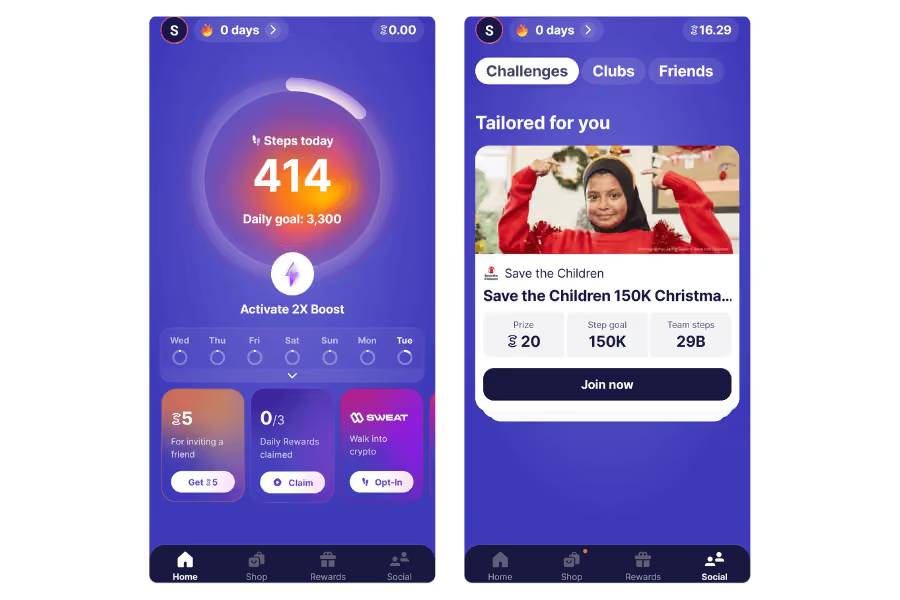
For example, in the popular walking app Sweatcoin, users can find exciting step challenges, lucky draws, and clubs to join.
Currently, users of this app can join a “Save the Children 150k Christmas Challenge” to meet a step target in time to win a guaranteed prize. A lucky draw will select one lucky winner, and all participants will help contribute to a charitable donation.
Walking apps lean heavily on referrals. Invite a friend, and you can both earn a generous amount of in-app currency or exclusive rewards. It's a smart double win: the app grows its user base, and referred users tend to stay more engaged since they're walking alongside people they know.
Macadam, for example, rewards a referred user with 1,000 coins immediately and gives the referrer a bonus once their invitee hits a coin milestone. Compare that to a rewarded video ad, which generates just 5 coins – referrals are worth the extra effort.
Curious which apps actually pay you to walk? Here are some of the most popular options that reward you for walking:
But are apps that pay you to walk legit?
Many are. Established apps like Sweatcoin, WeWard, and CashWalk have large user bases and consistently pay out rewards, though payouts are typically modest – think gift cards and small cash amounts rather than a meaningful income.
Keeping users engaged is one thing – but how do these walking apps actually turn a profit? The answer comes down to giving users more (and faster) ways to earn currency. Since walking alone only generates so much currency, users naturally look for extra ways to boost their earnings, and that's where app monetization comes in.
In-app advertising is the most straightforward walking apps monetization strategy. However, it’s not about flooding the app with intrusive interstitial ads.
Instead, these apps focus on ad formats that don’t disrupt the user experience and/or bring value to the user. Some popular options to achieve this include rewarded video ads, offerwall ads, banner ads, and native ads.
Walking app users enjoy engaging with rewarded video ads – and for a good reason. By investing a short amount of time to watch a video ad, walking app users can boost their currency earnings or unlock certain app features. Some examples of rewarded video ad placements that have proven effective for the top walking apps include:
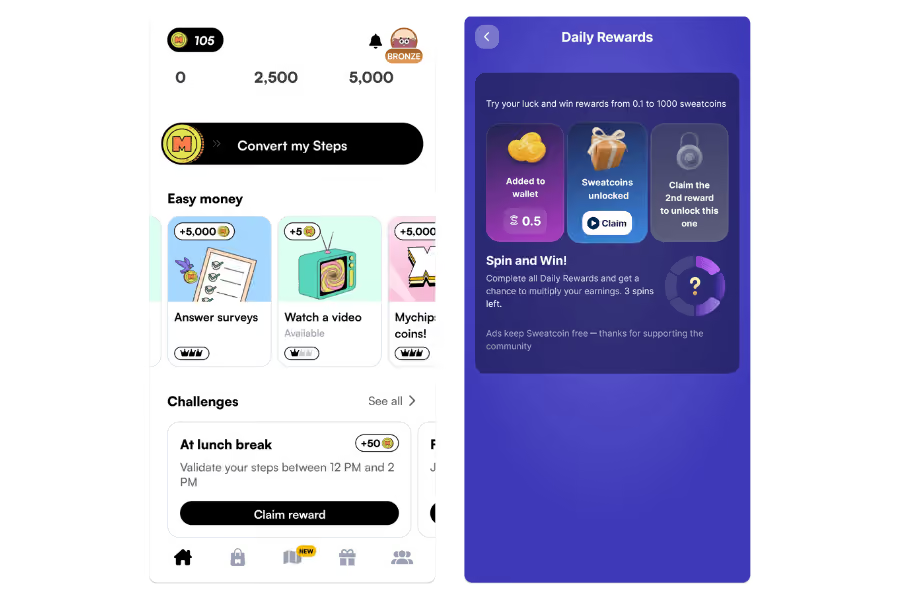
What are the main things to pay attention to when integrating rewarded video ads into a walking app?
These placements should be highly visible and accessible. In the leading walking apps, you’ll find that rewarded video placements are placed in high-visibility locations, most frequently on the home screen. Moreover, it’s important to limit the availability of the ads to make them feel like valuable opportunities rather than an endless resource.
Due to their rewarding nature, walking apps are a great fit for offerwall monetization. By integrating offerwalls in their apps, developers can give users even more ways to earn currency. Offerwalls are especially effective among engaged users looking to earn as much currency as possible, because they offer high rewards, higher than those from rewarded videos and walking itself.
To make offerwalls work well for walking apps, it’s recommended to:
For example, WeWard introduced offerwalls to allow users to diversify their rewards. One of the selected partners was Mistplay, whose LoyaltyPlay solution is designed to complement the user journey by delivering rewards through gameplay.
When integrating LoyaltyPlay, WeWard introduced a new gaming section in the app. So, instead of collecting in-app currency just by walking, users can now increment their rewards by playing games as well. Today, the LoyaltyPlay gaming reward hub lives alongside other offerwalls, giving users access to a catalog of top-tier mobile game offers.
In-app ads are the main, but not the only way walking apps make a living.
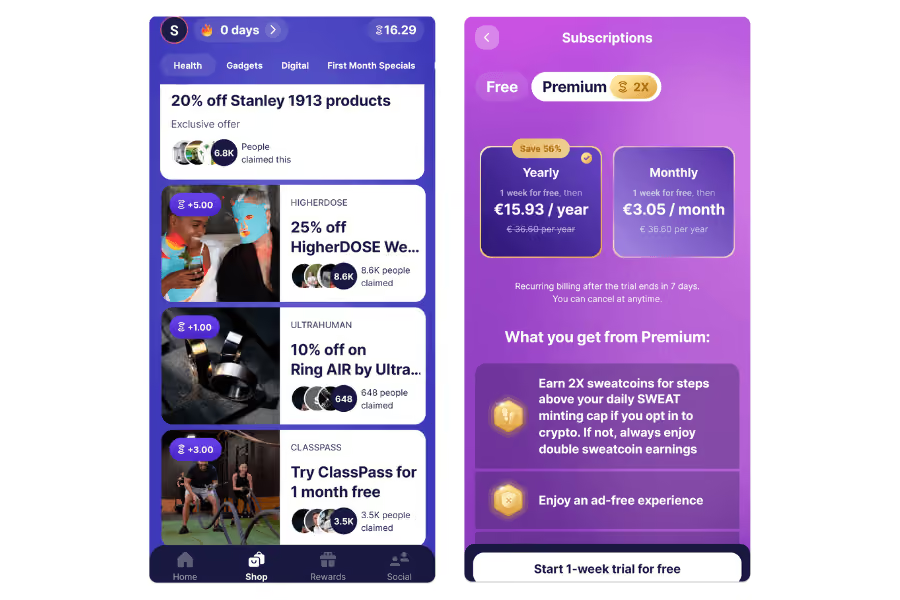
Brand partnerships are another important monetization strategy for walking apps. In almost every walking app, you’ll find an in-app marketplace featuring different brands.
Now, there are different ways to leverage these partnerships. Some apps feature brand discount offers and reward users with currency for simply visiting the featured sites. Some apps take this a step further and encourage users to spend money in their partner apps, offering currency for each dollar spent.
In both cases, walking apps earn affiliate commissions when users make purchases through these promotions.
Finally, some walking apps offer users subscription options for an ad-free experience, faster currency gains, exclusive rewards, etc. Although many users are bargain hunters who aren’t interested in subscribing, there’s still value in offering this option to those who are willing to pay for premium features.
Now you know how the top walking apps turn steps into profit. If you run a walking app and want to boost your own earnings, Mistplay can help. We're already helping apps like WeWard and Macadam add a new monetization layer to the walking experience, and our team can help your app unlock incremental revenue too. Check out LoyaltyPlay and contact us today to get started.